
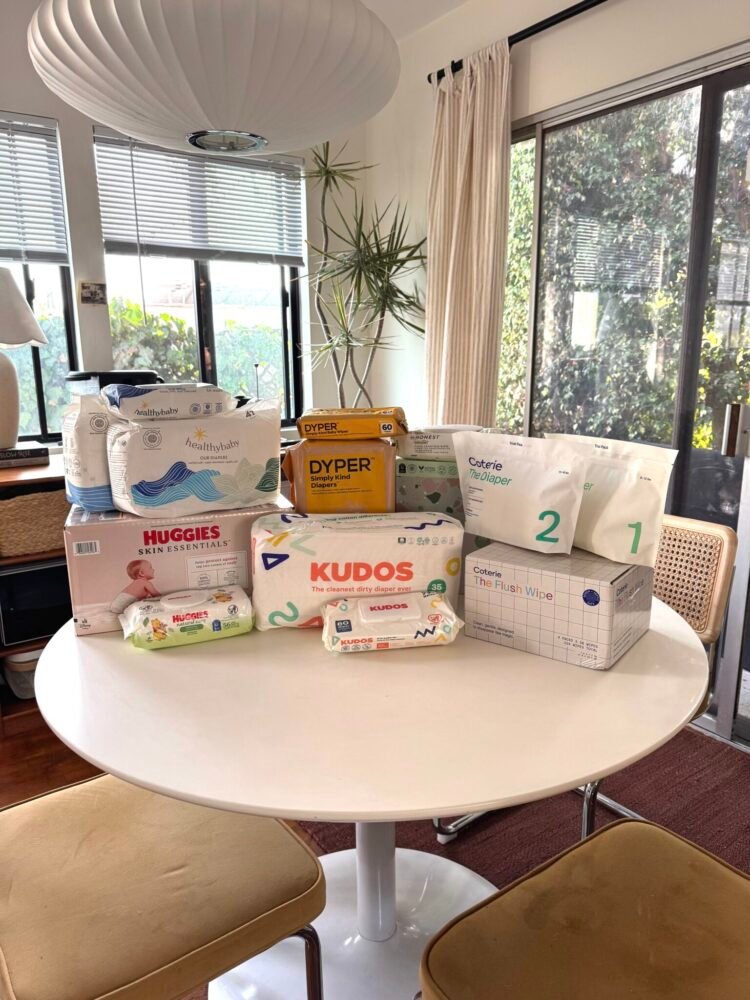
I tested dozens of nontoxic diapers to identify the best options for parents—these are my top picks for materials, softness, absorbency, and price.
When I learned we were pregnant and began planning our baby registry, there was one product I knew I wouldn’t compromise on. While I try to lean organic and sustainable whenever I can, it becomes a non-negotiable when it’s something touching my baby’s skin — and diapers are right at the top of that list. Since having our daughter last summer, I’ve been on a mission to find the best non-toxic diaper, and it’s been surprising how much variation there is in diaper brands.
My musts are simple but firm: it has to be truly absorbent — we change her often and at the first sign of a wet diaper, but it has to hold the pee. It also needs to be soft yet structured enough to fit well and move with her as she learns to crawl around. It needs to be made from safe, healthy materials and comfortable enough for all-day wear. Sustainability matters too — fewer harsh chemicals, more thoughtful materials — without veering into something wildly inaccessible price-wise. Bonus points for easy availability and subscription options, because running out of diapers is a stress I never want to experience.
Why should parents care about nontoxic diapers?
Non-toxic diapers matter because they come into contact with some of the body’s most sensitive skin. Diaper dermatitis (diaper rash) is extremely common and caused by moisture, friction, and prolonged contact with urine and stool (which can raise skin pH and activate enzymes that weaken the skin barrier). Choosing nontoxic diapers to minimize irritants — e.g., fragrance-free, dye-free, and designed to keep moisture away from the skin — can be a practical way for parents to support their baby’s skin barrier, especially for babies who are rash-prone or already have sensitive skin.
Research has shown that some disposable diapers can contain or release trace chemicals. For example, studies have detected volatile organic compounds (VOCs) in diapers, and broader scientific reviews note that prolonged skin contact can be a potential exposure pathway for infants. That doesn’t mean diapers are inherently dangerous; it’s a moment to pause and be thoughtful when choosing which diapers to put your baby in.
At the same time, not every scary headline holds up when you look at the actual data. Dioxins often come up in conversations about diaper bleaching, but a 2024 review in Science of the Total Environment (the same review noted above) examined chemicals detected in disposable diapers, including dioxins, and found that estimated infant exposure under typical use is very low and generally considered acceptable from a risk perspective. Updated exposure models show these levels are minimal compared with other everyday sources, such as diet. All that to say: intentionality matters. That’s why we trust brands that use fewer known skin irritants (like fragrances and dyes), prioritize transparency, and create products that align with our values — without relying on fear-mongering to make their point.
How I think about choosing nontoxic diapers
For me, choosing a cleaner diaper means minimizing unnecessary ingredients and prioritizing brands that are transparent about how their products are made. Fragrance is a big one. Fragrance is a known trigger for contact dermatitis across many product categories, and organizations like the Environmental Working Group consistently flag it as something to avoid in products that sit on skin for long periods. The same goes for lotions added to diapers, which may sound nice but aren’t necessary for function and can irritate sensitive skin.
I also look for clarity around how materials are processed. Terms like totally chlorine-free (TCF) or chlorine-free processing matter to some parents because chlorine bleaching can produce trace byproducts. While the science here is nuanced, transparency is the bigger signal. Brands that explain why they make certain choices tend to be the ones doing the work.
That said, performance matters. A diaper that leaks regularly, especially overnight, can lead to more frequent changes, disrupted sleep, and increased irritation. The best diaper is the one you trust enough to use consistently. Clean ingredients don’t mean much if you’re changing pajamas at 3 a.m.
Certifications that actually mean something
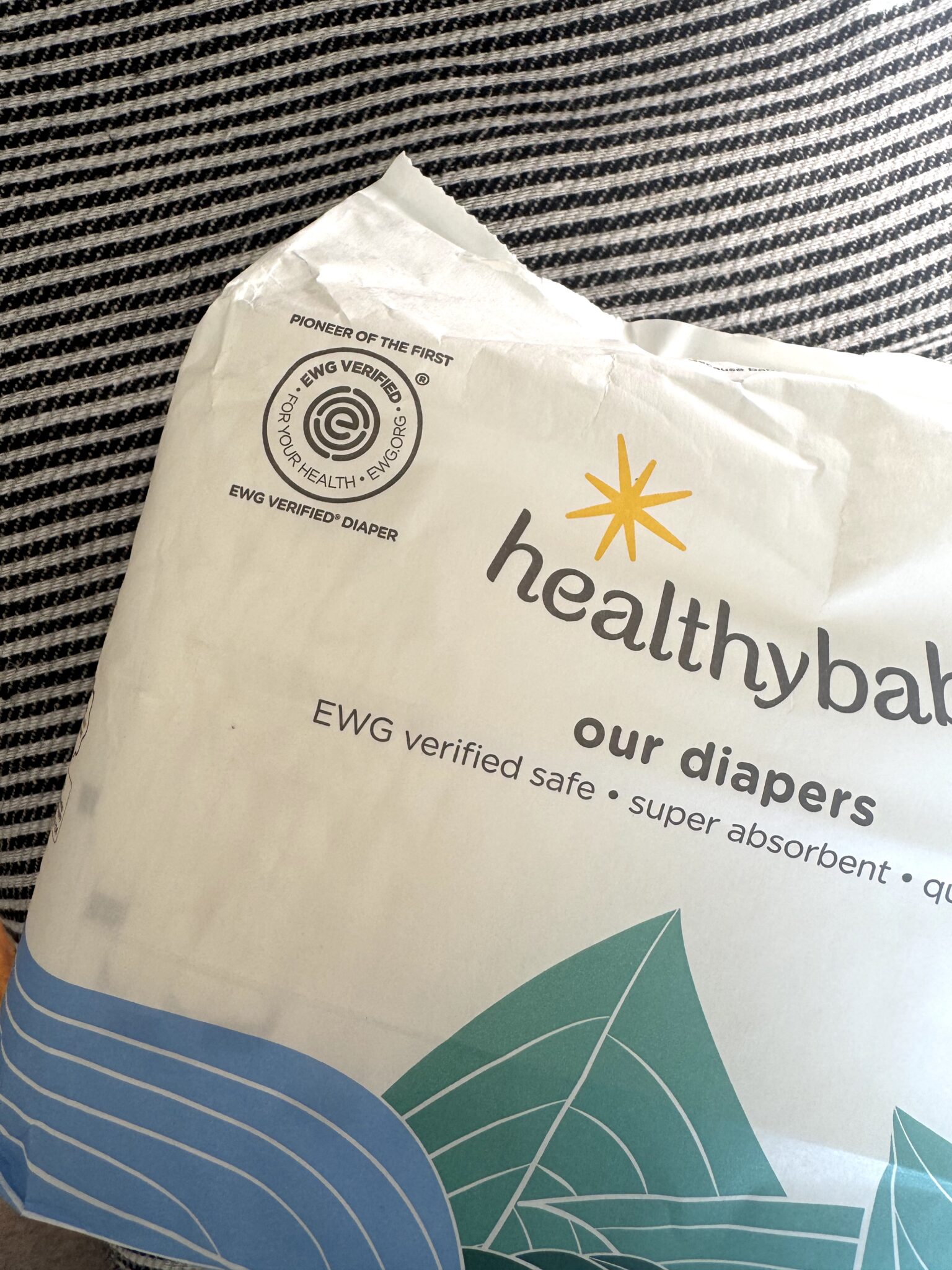
One of the most meaningful labels in this space is EWG Verified, which indicates that a product meets the Environmental Working Group’s strict criteria for ingredient safety and transparency. EWG Verified diapers are screened against chemicals of concern, including parabens, phthalates, certain preservatives, fragrances, and contaminants. You can read more about their standards directly on the EWG website.
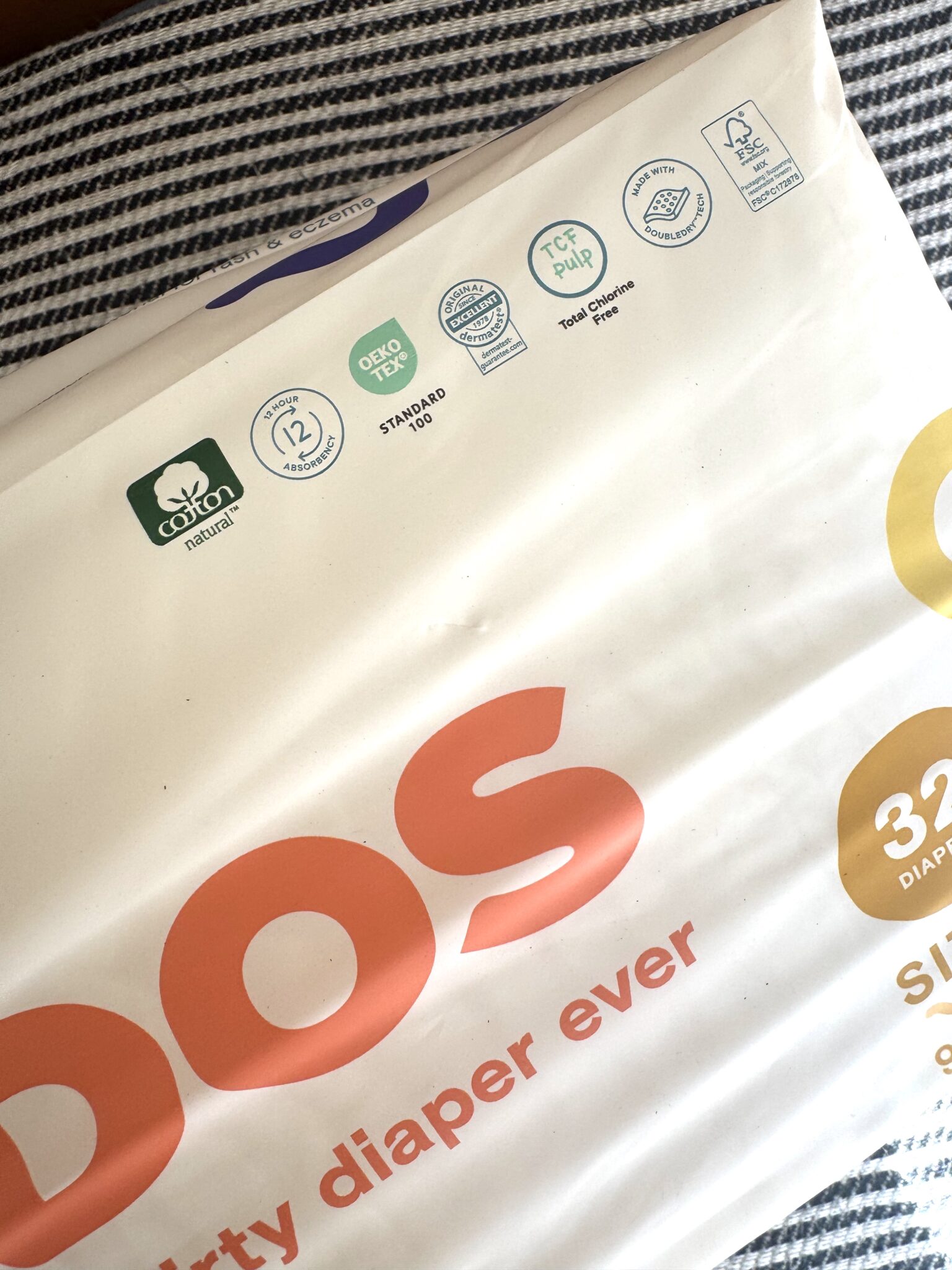
Many of the brands below are also OEKO-TEX® Standard 100 certified. This certification applies to textiles and indicates that materials have been tested for harmful substances, with a restricted substances list that now includes over 1,000 chemicals.
For diapers made with high wood pulp content, FSC certification is also worth noting. The Forest Stewardship Council certifies pulp sourced from responsibly managed forests, addressing the environmental side of raw material sourcing.
Are diapers an environmental problem?
This is the part of diapering no one really wants to dwell on, but it’s important. According to the U.S. Environmental Protection Agency, disposable diapers account for millions of tons of waste each year in the United States, and the vast majority end up in landfills. There is currently very little large-scale recycling or composting of disposable diapers through municipal systems.
That doesn’t mean the burden falls solely on parents. Diaper waste is a systems problem. Researchers have been studying diaper life cycles for years, exploring how material choices, manufacturing processes, and disposal models could reduce environmental impact over time. Still, there are realistic steps families can take. Using the right size to prevent leaks, avoiding unnecessary changes, and choosing brands that minimize excess materials can all help. Some subscription brands are also experimenting with diaper take-back and industrial composting programs that collect used diapers and process them at facilities designed to handle material waste. These programs aren’t perfect and aren’t accessible everywhere, but they represent an important shift toward addressing what happens after the diaper comes off.
While the most sustainable option is likely cloth diapers and early potty training, these options can be inaccessible to parents, especially if you work, use day care, or don’t have the time/resources to wash multiple diapers a day. These are our favorite cloth diaper brands if you’d prefer to go that route.
Our criteria & methodology
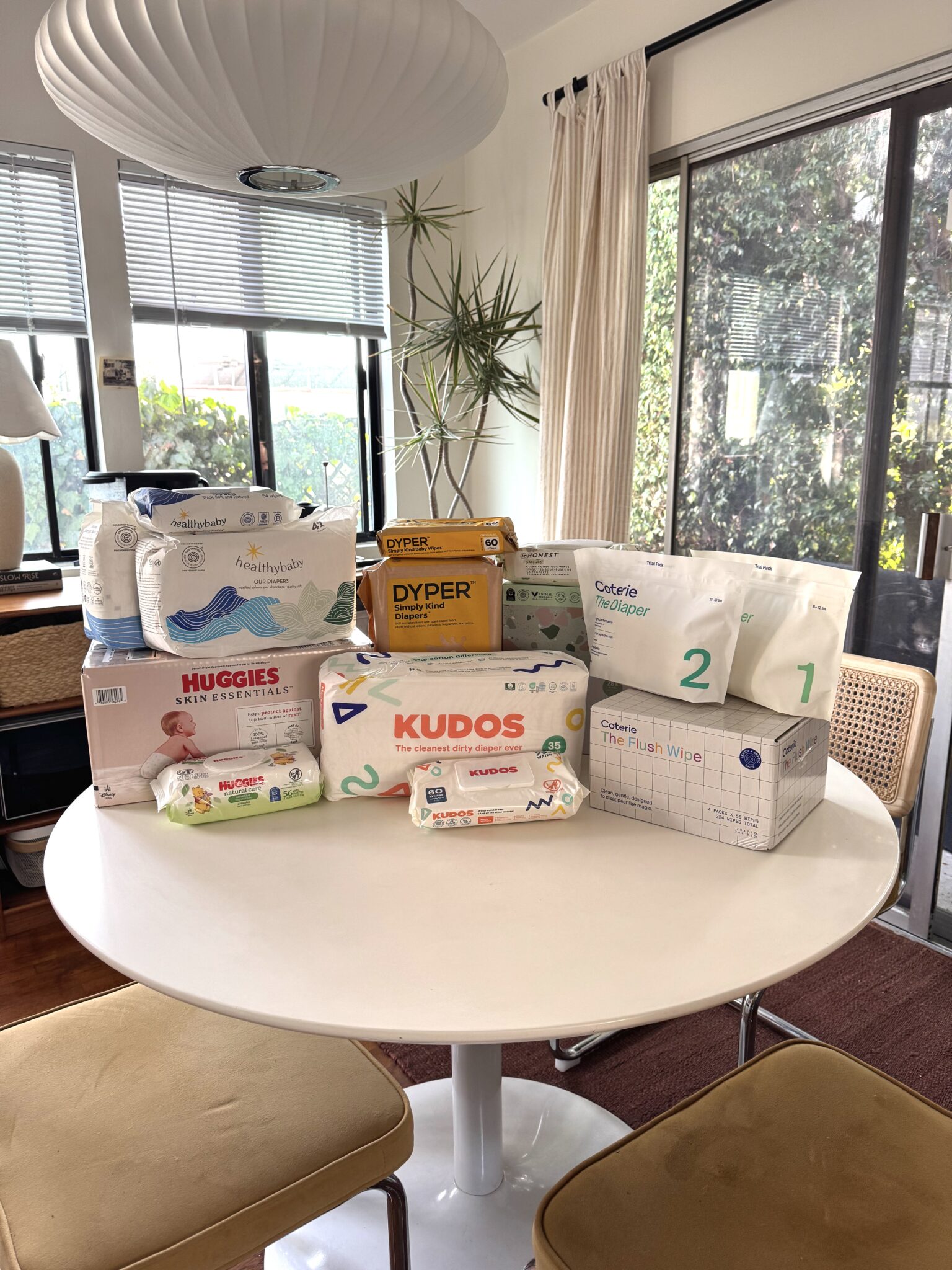
For this diaper review, we selected nine brands that highlight non-toxic, organic, and/or natural materials in their diapers. All brands included sent diapers directly for testing, except Huggies, which we purchased ourselves to ensure it was evaluated under the same conditions.
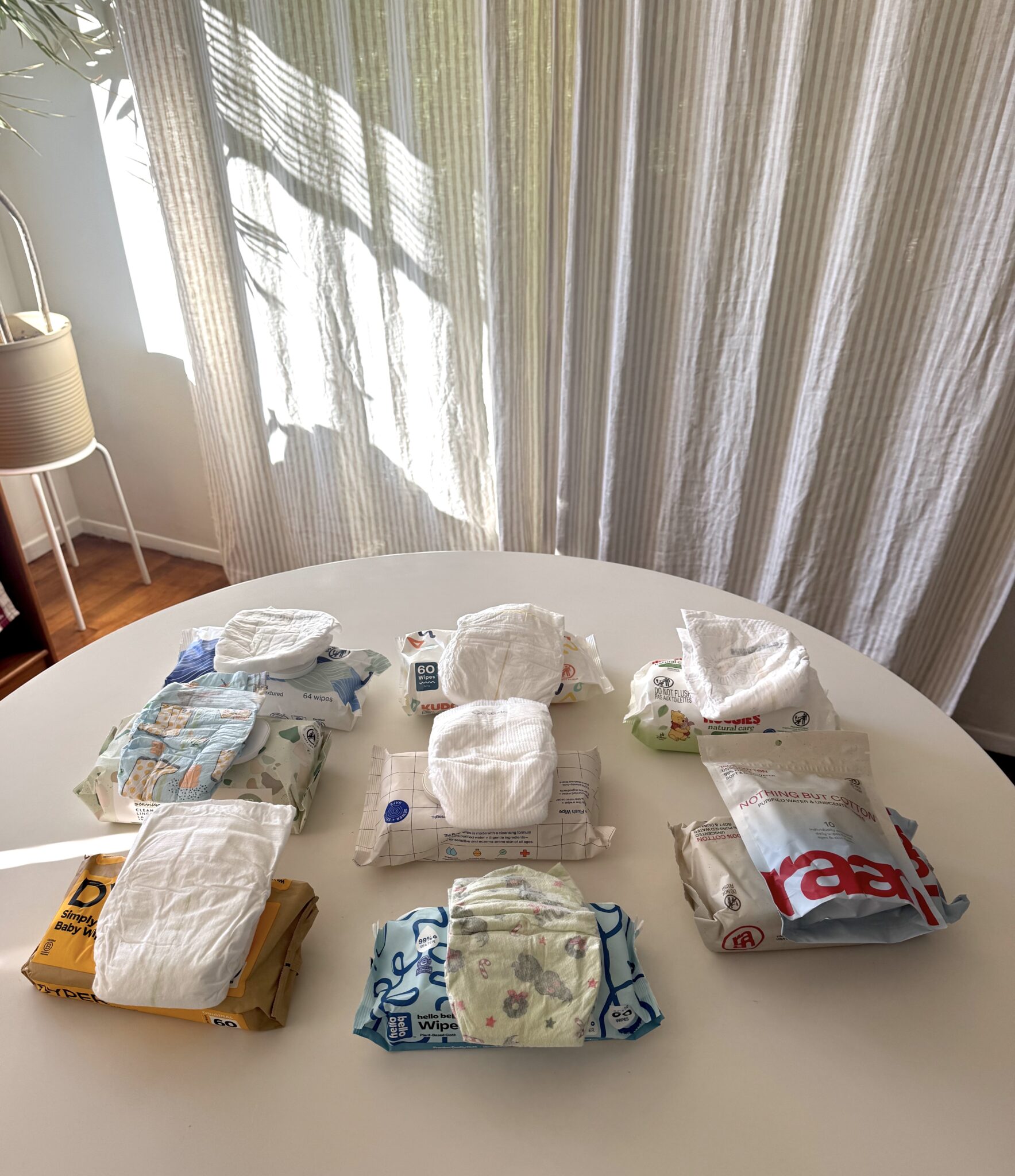
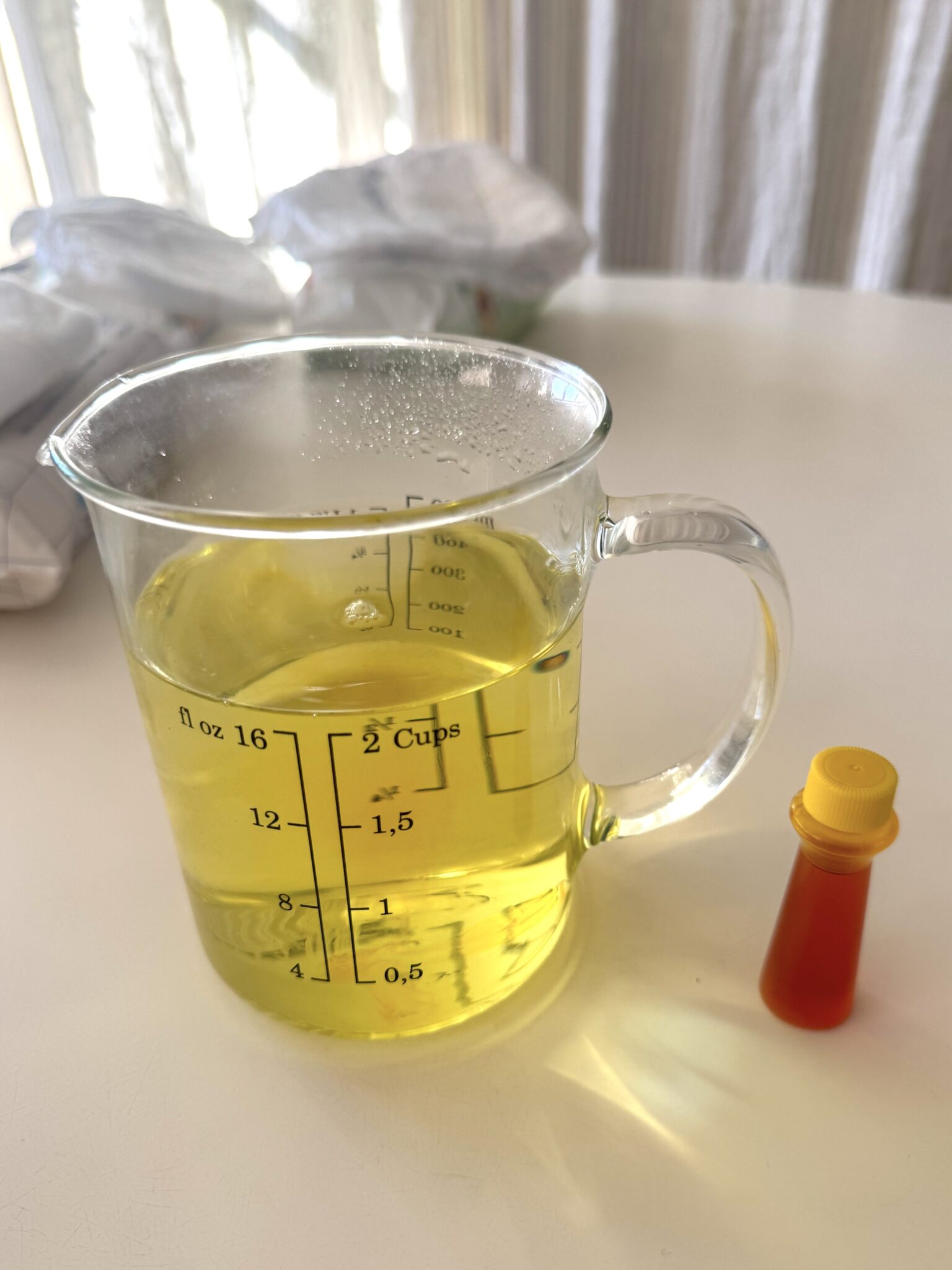
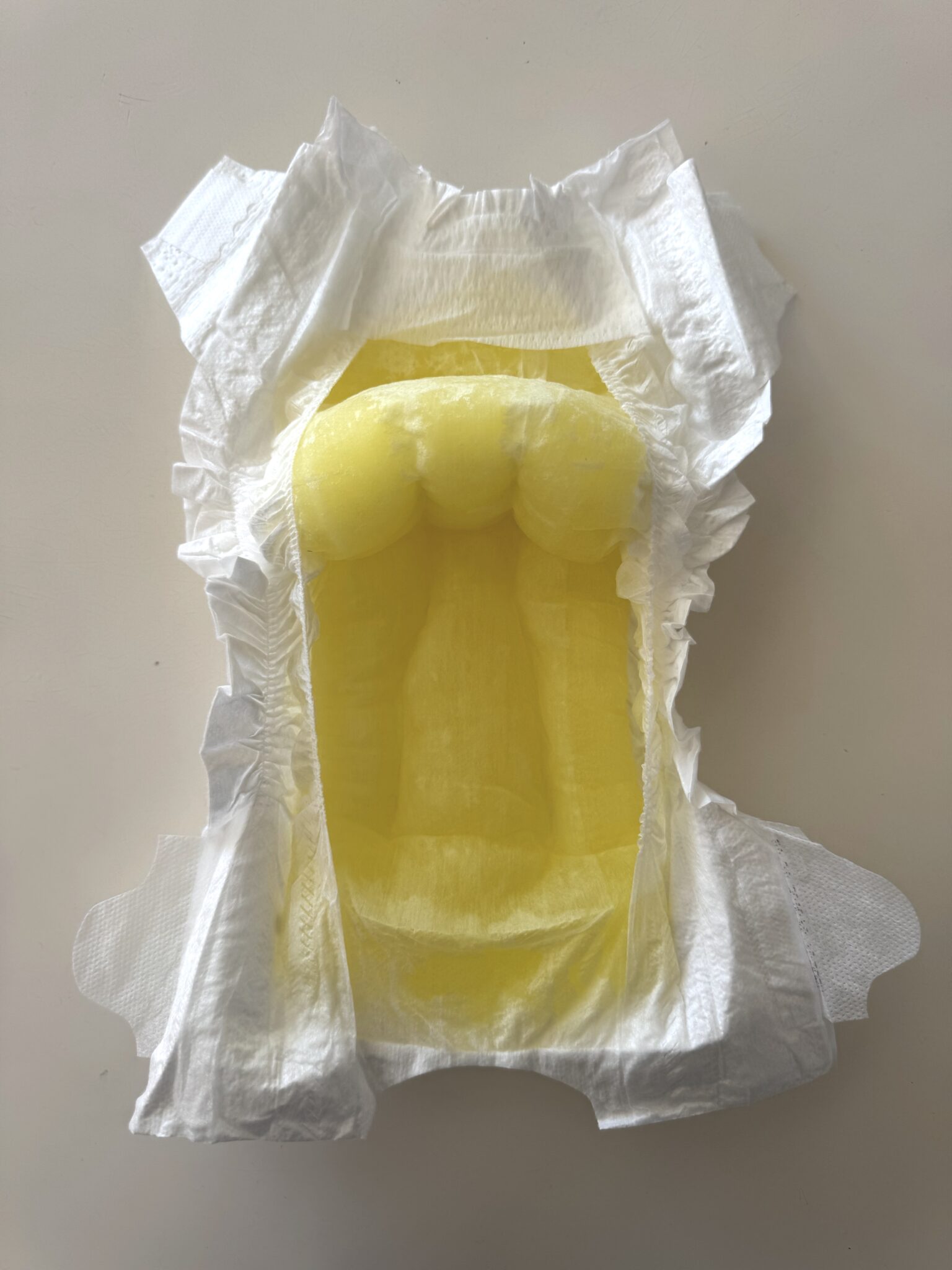
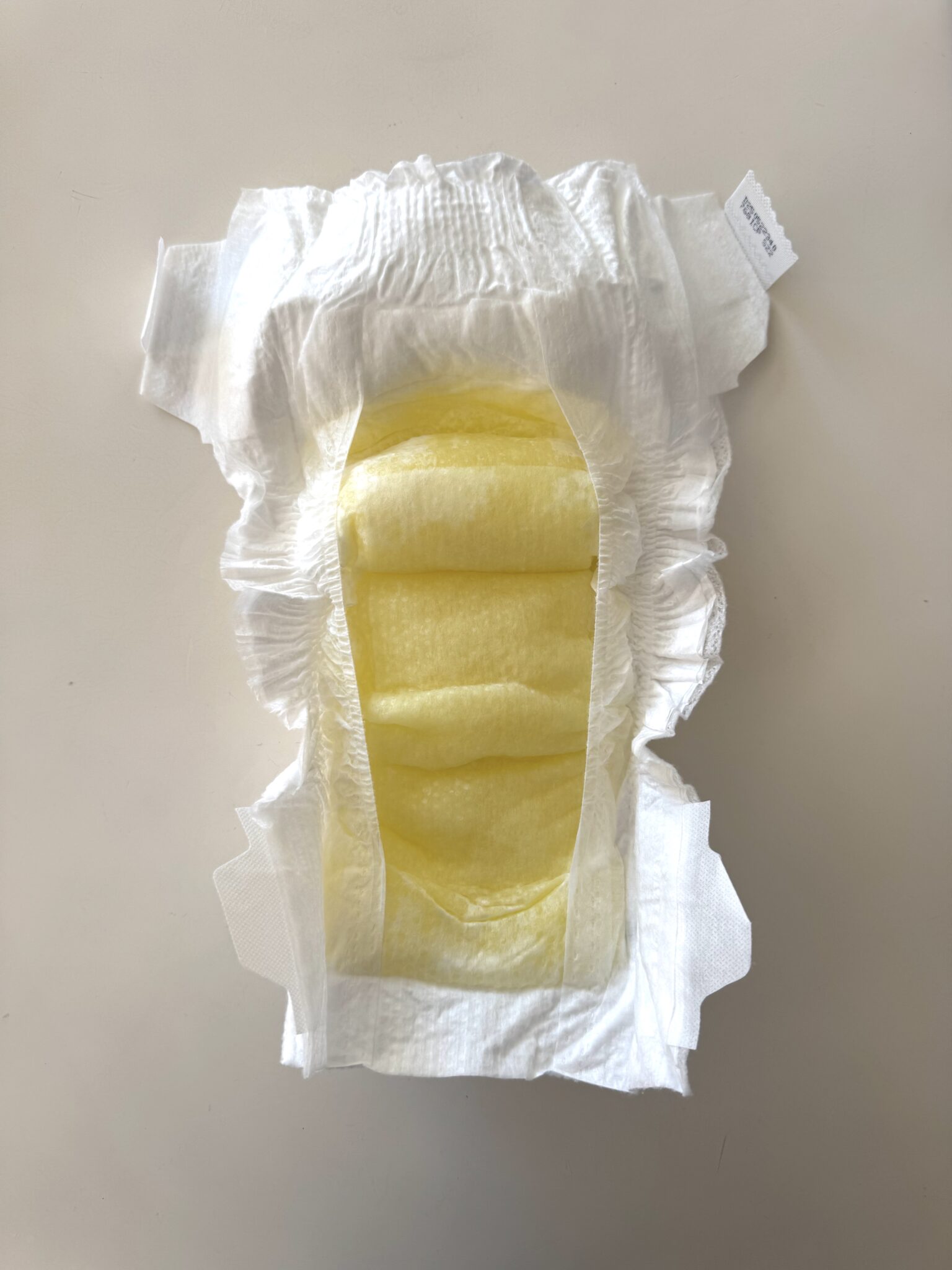
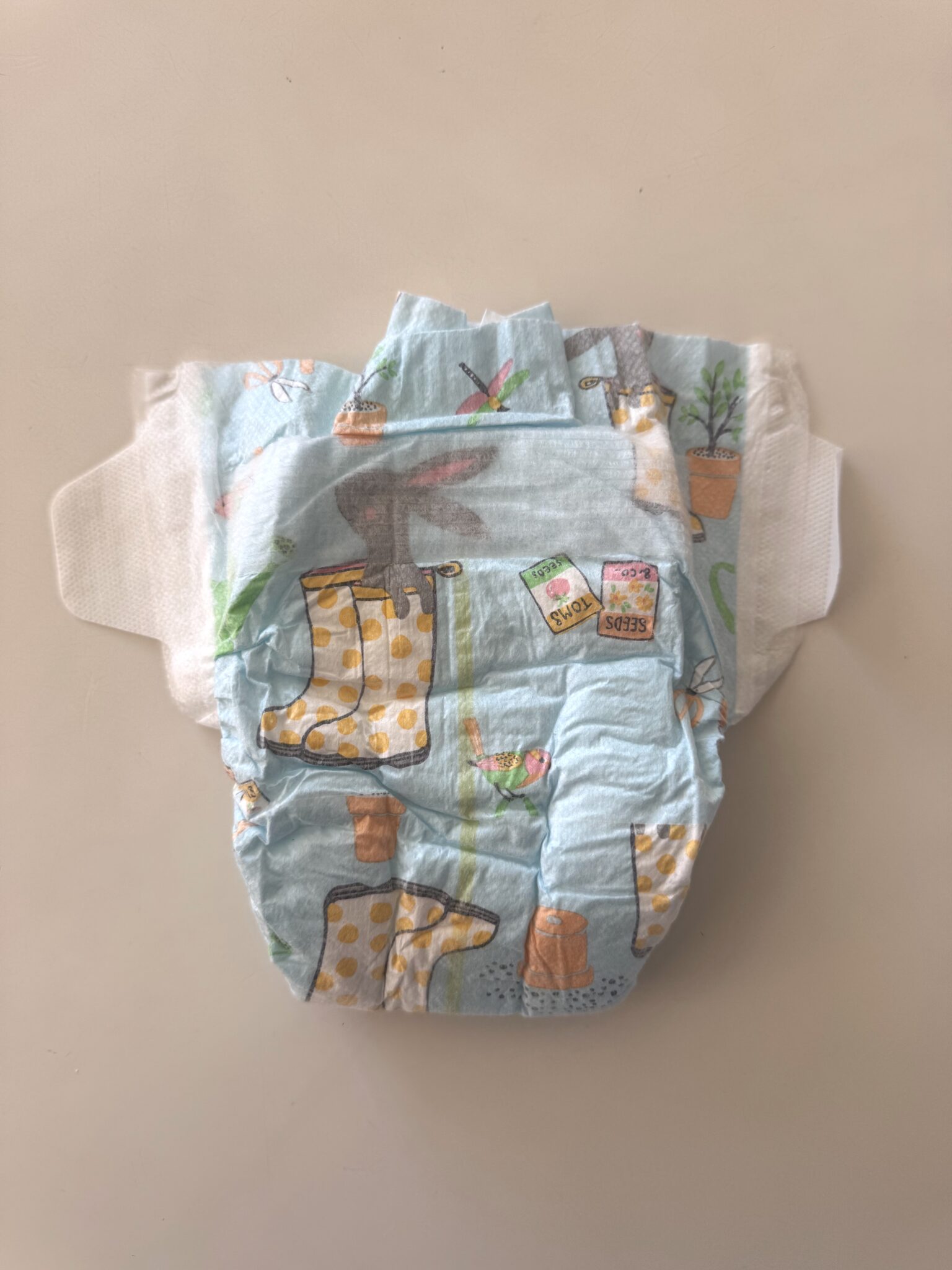
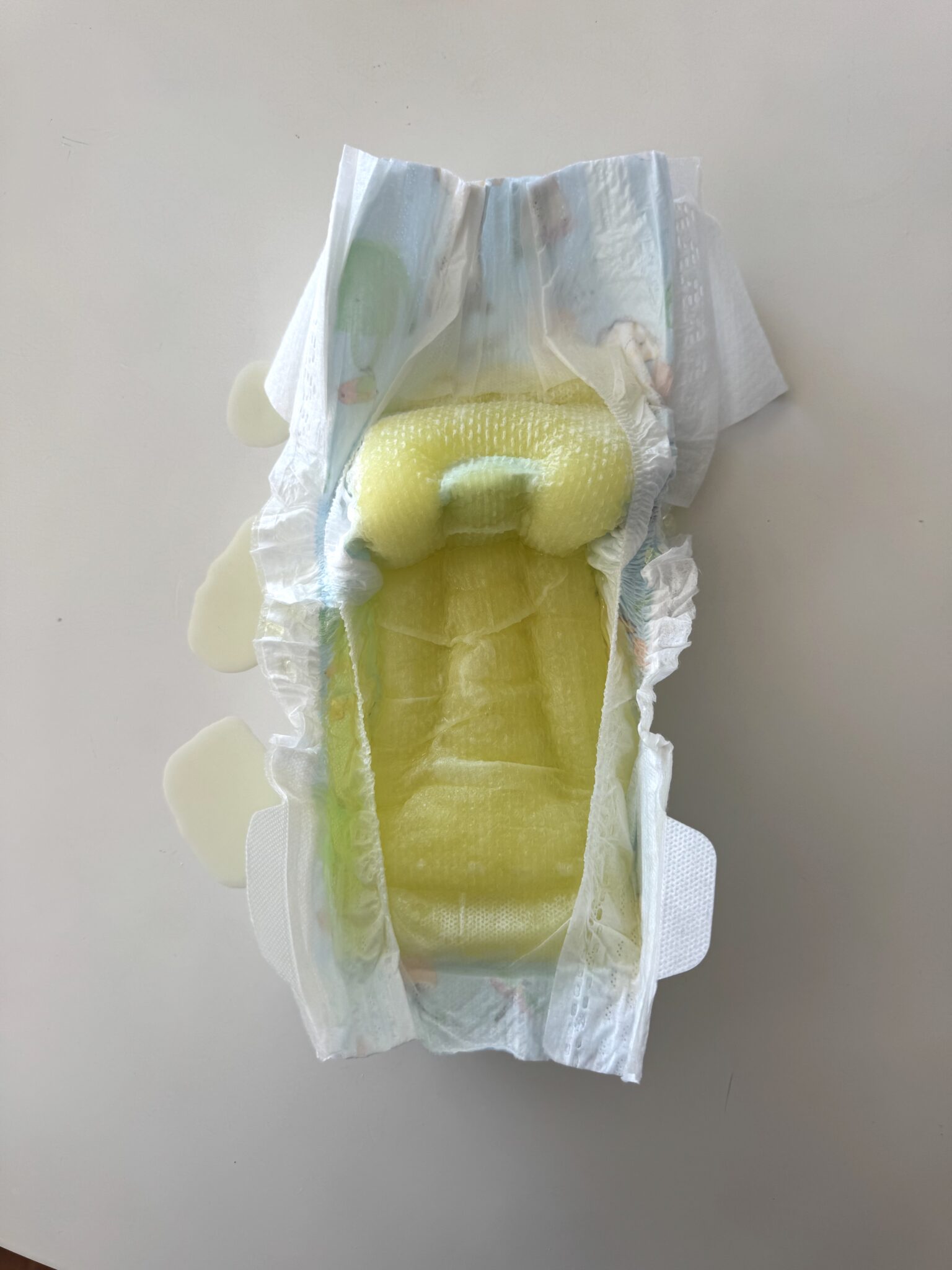
My daughter has worn every diaper in this roundup, so each review reflects real-life experience, not just lab-style testing. To support the visuals, I also used water mixed with yellow food coloring to demonstrate absorbency in a size 2 diaper, paying close attention to how quickly liquid was absorbed and whether any leakage occurred (because if they can’t hold the pee, it’s a no from me). I also paid close attention to softness, structure, comfort, sustainability claims, and overall value, so you can get a clear sense of which diapers actually live up to the hype in real life.
We regularly update this list with emerging favorites that meet our nontoxic and sustainable criteria. And if you’re looking for more nontoxic baby essentials, here’s our guide to organic onesies and organic crib mattresses.
Best Overall | Softest Diapers | Best For Preemie Diapers | Best Overnight Diapers
1. Kudos Diapers
Certifications | OEKO-TEX STANDARD 100, DermaTest, FSC Certified
Diaper materials | 100% U.S.-sourced cotton, latex-free spandex, sustainably harvested wood pulp, polyethylene with biodegradability enhancer, polyester
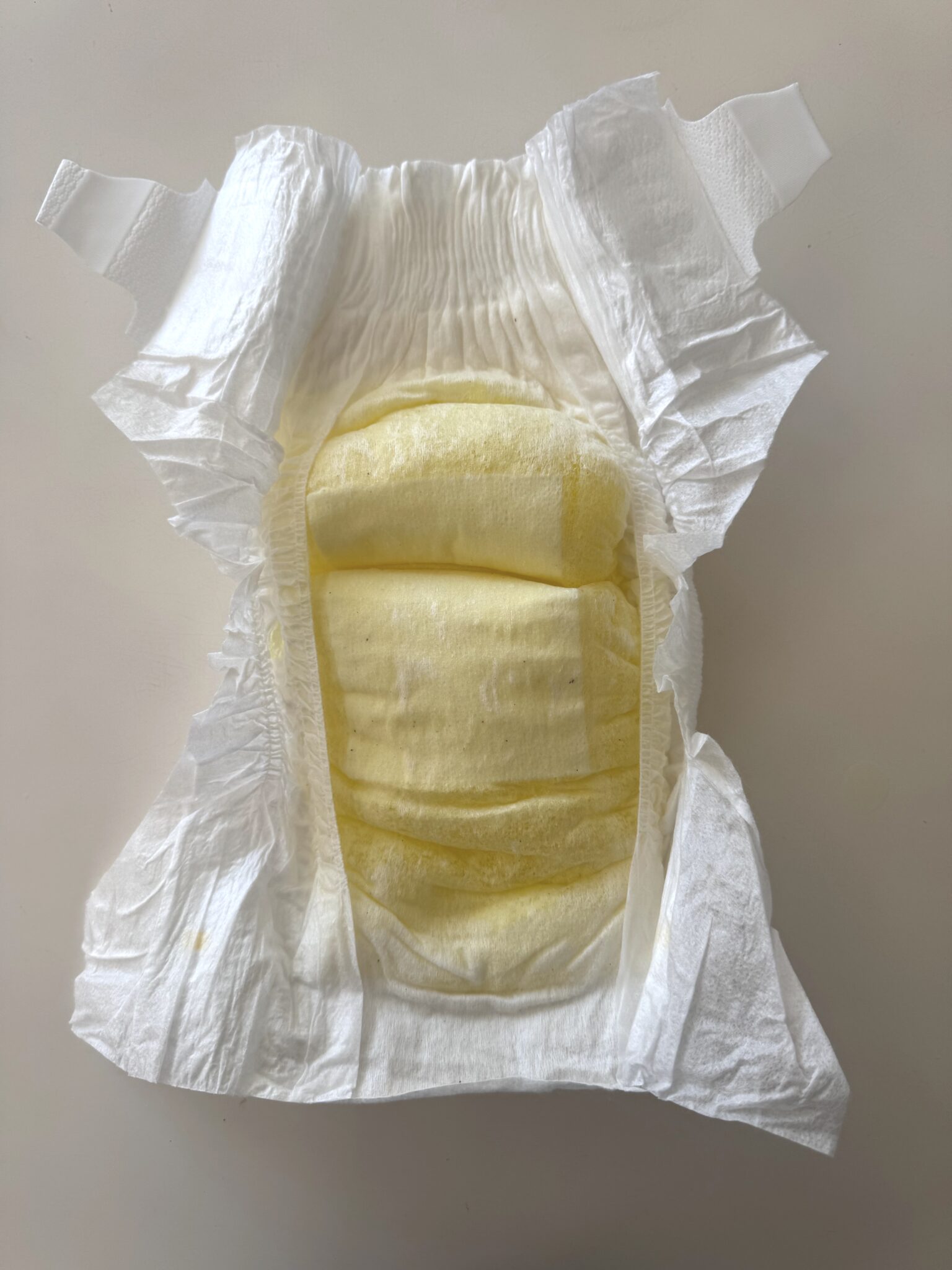
Absorption level | Heavy (20 oz of liquid with no leaks)
Size range | Size 1 (7-12 lbs) to size 6 (35+ lbs)
Starting at | $0.40 per diaper
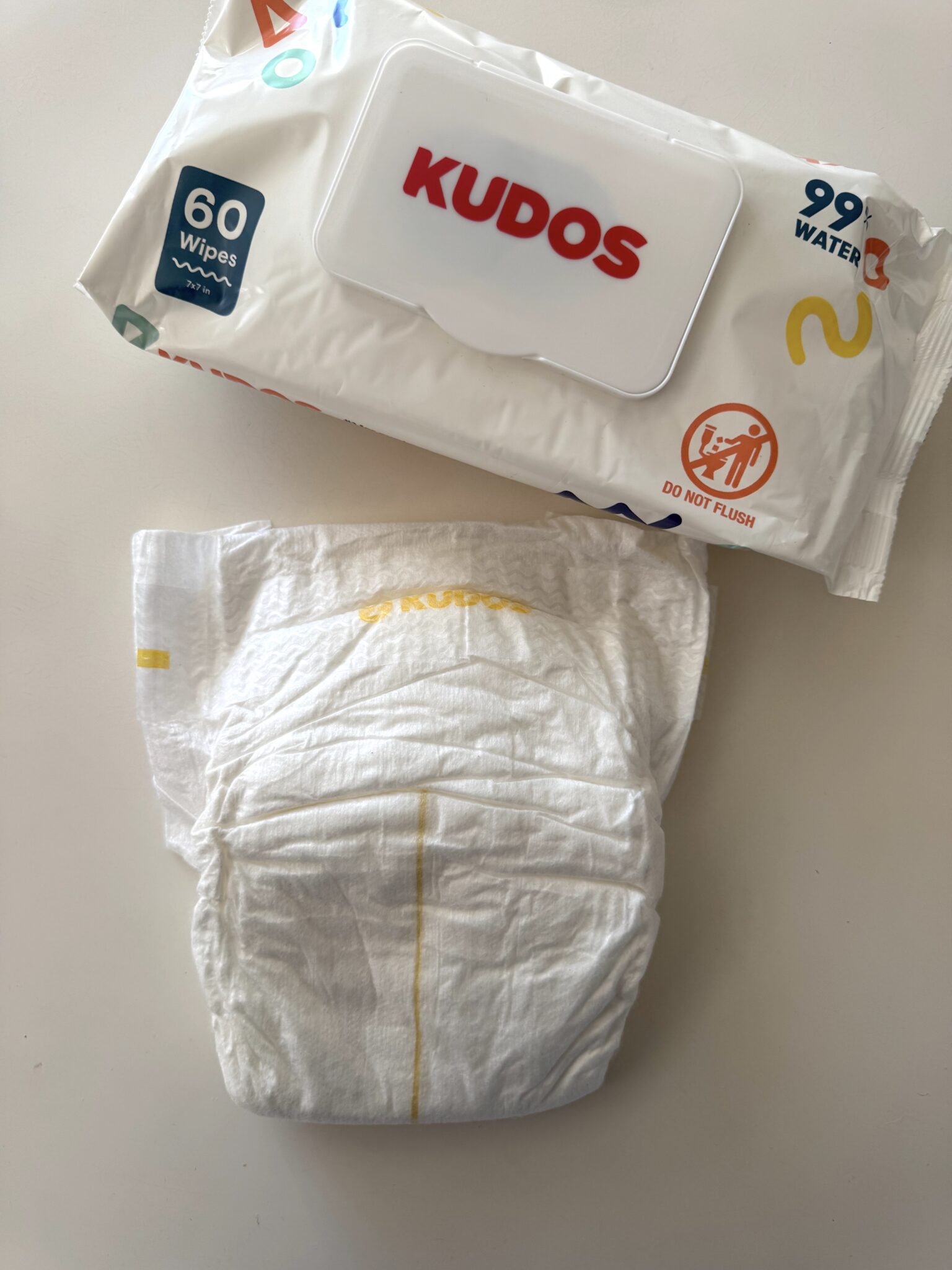
Kudos is my favorite nontoxic diaper brand, and here’s why. First and foremost, it’s the only diaper we’ve been able to use overnight without leaks. My daughter now sleeps on her tummy, which means all the pee pools at the front of her diaper, yet Kudos keeps her dry for a solid 12 hours. I also love how Kudos diapers feel. They run larger than many other brands while still being soft, squishy, and structured. (It’s no wonder the design is near perfect; they were crafted by former MIT engineers.)
Performance aside, the materials are what really seal the deal for me. Kudos diapers include two absorbent layers instead of one, which is part of why they perform so well overnight. The part that touches skin is 100% USA-grown cotton (many other brands use plastic for the liner), and they are OEKO-TEX® Standard 100 certified. The diapers are also free of fragrances, lotions, latex, and chlorine bleaching. And the subscription options are so good. Having diapers arrive on a regular schedule has genuinely saved me from so many last-minute store runs. While a bit more expensive than Pampers or Huggies, they are not so expensive that they feel out of reach, especially given their absorbency and safe materials.
Conclusion | Kudos is the non-toxic diaper brand we reach for most and the one I recommend to all of my parent friends. They’re soft, incredibly absorbent, and backed by some of the best non-toxic and organic certifications on the market.
2. HealthyBaby
Certifications | EWG VERIFIED®, OEKO-TEX® STANDARD 100, Nordic Swan Ecolabel, FSC Certified, dermatologist tested, microbiome-friendly
Diaper materials | Plant-based materials with a 15% organic cotton outer cover, Totally Chlorine Free (TCF) wood pulp core, sodium polyacrylate absorbent core, polypropylene, polyethylene, polyester, elastic
Absorption level | Medium (16 oz of liquid with no leaks)
Size range | Newborn (<10 lbs) to Size 6/7 (baby through toddler)
Starting at | $0.40+ per diaper
HealthyBaby is a diaper brand rooted in a child-development mindset and the belief that everyday exposures matter, especially in those earliest stages, when a baby’s brain and body are still developing. That philosophy is most clearly reflected in their headline credential: HealthyBaby’s diaper is the first to earn EWG VERIFIED® status, which sets an incredibly high bar for non-toxic materials selected with developmental health in mind.
What stands out to me about HealthyBaby isn’t a trend or a flashy claim, but the way the brand connects diaper design to a broader conversation about safety standards for our children. The company treats diapers less like a disposable commodity and more like an intentional part of parenting and creating a healthier home — which I love.
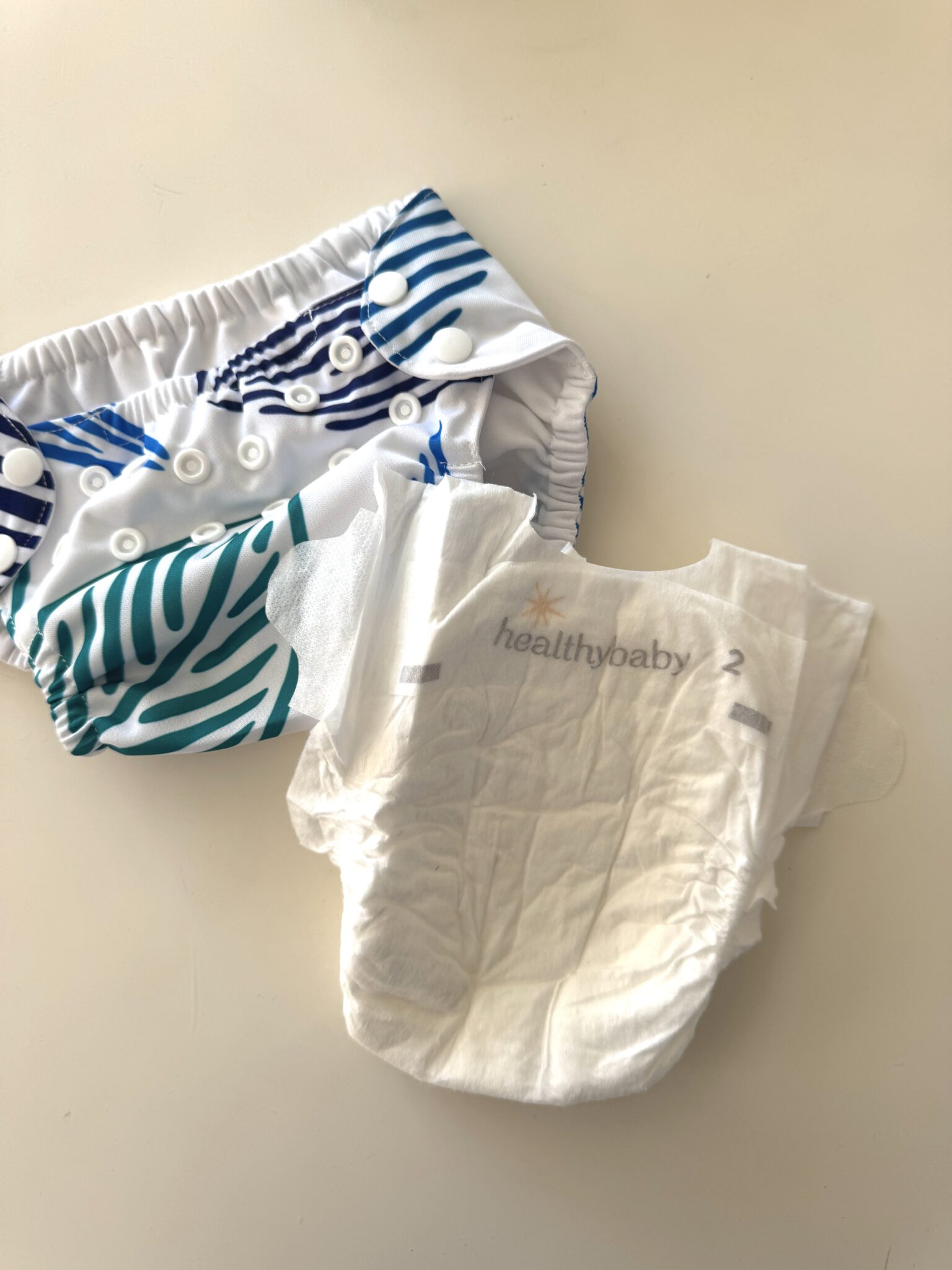
As for real-life use, these diapers are refreshingly no-fuss. They’re simple and soft. They’re also notably compact, making them great for on-the-go days or travel (I can fit 5 to 6 in my ring bag). They’re also shockingly absorbent — don’t let the thinness fool you. I’ve yet to experience a leak with my daughter, and they passed our water test with flying colors. But honestly, even if we did have the occasional leak, HealthyBaby’s commitment to truly safe, non-toxic materials would still be enough to keep me reaching for them.
Conclusion | HealthyBaby is the first EWG-Verified diaper and features some of the safest and softest materials among diaper brands. Its thinner design makes it perfect for on-the-go without compromising on softness or absorbency.
3. Coterie
Certifications | OEKO-TEX® STANDARD 100, dermatologist tested, hypoallergenic
Diaper materials | Sodium polyacrylate (SAP) and Totally Chlorine Free (TCF) wood pulp from sustainably managed forests, polypropylene, polyester, and polyethylene, elastic, 25% plant-based material
Absorption level | Medium (16 oz of liquid with no leaks)
Size range | Newborn (<10 lbs) to size 7 (41+ lbs)
Starting at | Premium brand (prices are a bit different with Coterie because they only use subscription models and optimize the boxes according to the average number of changes babies need as they grow)
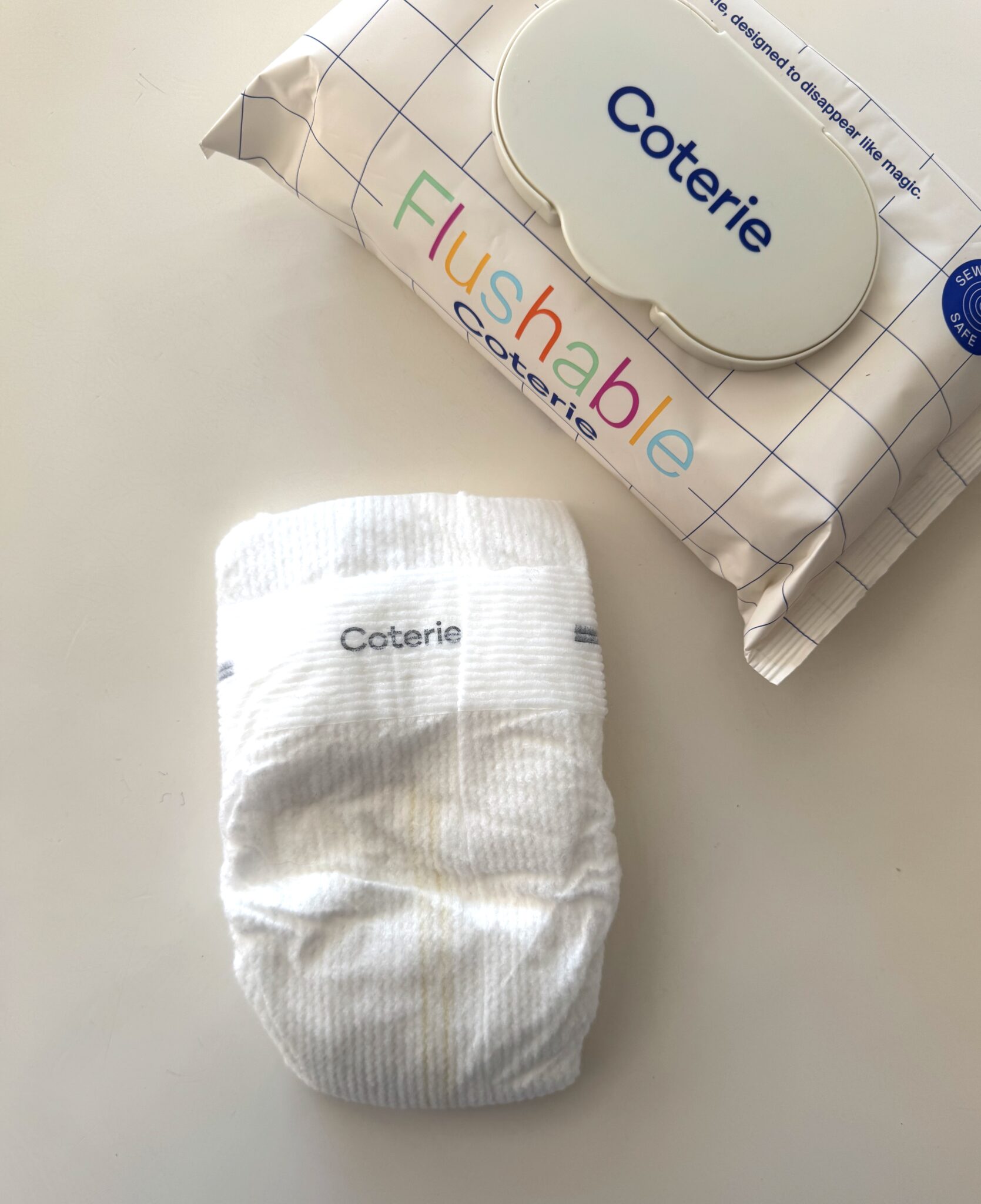
Coterie was one of those brands I added to my registry on instinct. It feels indulgent and elevated, and I was genuinely curious if it would live up to the hype. After trying a few packs, I can honestly say the buzz is warranted. The brand was inspired by Japanese diapers, which are widely known for their softness and absorbency, and that influence really shows. Each diaper is made with premium materials that are independently third-party tested, dermatologist-tested, and OEKO-TEX® Standard 100 certified, meaning they’re screened for more than 1,000 potentially harmful substances. They’re also clinically tested for hypoallergenicity, which makes them a reassuring option for babies with sensitive or eczema-prone skin.
While I don’t reach for Coterie every single day because of the cost, I love them for when I want my daughter to feel a bit extra and fancy (the softness makes them feel so luxurious!). And they are surprisingly absorbent for how delicate they appear. The brand states that they are designed for sleep, and we’ve never experienced any leaks with them. They also passed our “pee test” below with 16 oz of liquid.
Conclusion | Coterie is the non-toxic diaper brand we love for its softness and simplicity. They are pricier and considered a premium diaper, which is why we prefer them for gifting or when we want our baby to feel a bit “extra.”
4. Hello Bello
Certifications | Hypoallergenic, dermatologist tested
Diaper materials | Plant-based materials, sustainably sourced wood pulp core, polypropylene, polyethylene, polyester, elastic
Absorption level | Medium (16 oz of liquid with no leaks)
Size range | Newborn (<10 lbs) to size 6 (35+ lbs)
Starting at | $0.24 per diaper (prices vary depending on pack count, size, and subscription models)
I’ll be honest: I didn’t expect to fall in love with Hello Bello (celebrity-founded brands can be a little hit or miss). But I’ve been genuinely surprised by how reliable these diapers are. They’re not the softest or most premium-feeling option in this roundup, but they do their job well. This is the brand we keep our daughter in most often during the day, second only to Kudos, especially when we’re doing more frequent changes and don’t need heavy overnight absorbency. The only reason they are not higher on the list is due to a lack of certifications.
One thing I really love about Hello Bello is how compact they are. I can easily stuff a few into my purse, which makes them especially great for travel (especially planes). And, of course, the materials are safe and sustainable. Hello Bello diapers are formulated without fragrances, lotions, phthalates, latex, or chlorine processing, and they’re marketed as hypoallergenic and dermatologist-friendly (though it’s worth noting that independent certifications like OEKO-TEX® aren’t prominently listed on their product page).
I also really appreciate the brand’s ethos. Hello Bello’s “Premium for All” philosophy — not premium for some, not premium only for those who can afford it, but premium for everyone — is evident in both pricing and accessibility. Beyond that, the company is making thoughtful choices behind the scenes: the diapers are produced using energy-efficient machines, and the factory is zero-waste and powered by 100% renewable energy. Add in the cute prints and the fact that their packaging is often designed to be upcycled into crafts — something they share ideas for on Instagram — and Hello Bello just makes sense as a top pick for parents.
Conclusion | Hello Bello is like the person you decide to marry — cute, dependable, thoughtful, and easy to love. While the brand isn’t over-the-top with bells and whistles, it excels when it matters most.
5. DYPER
Certifications | B Corp, FSC Certified, hypoallergenic, Dermatest® 5-star, REDYPER™ composting program
Diaper materials | Plant-based materials with a focus on compostability: sustainably sourced wood pulp core, sodium polyacrylate absorbent core, polypropylene, polyethylene, elastic
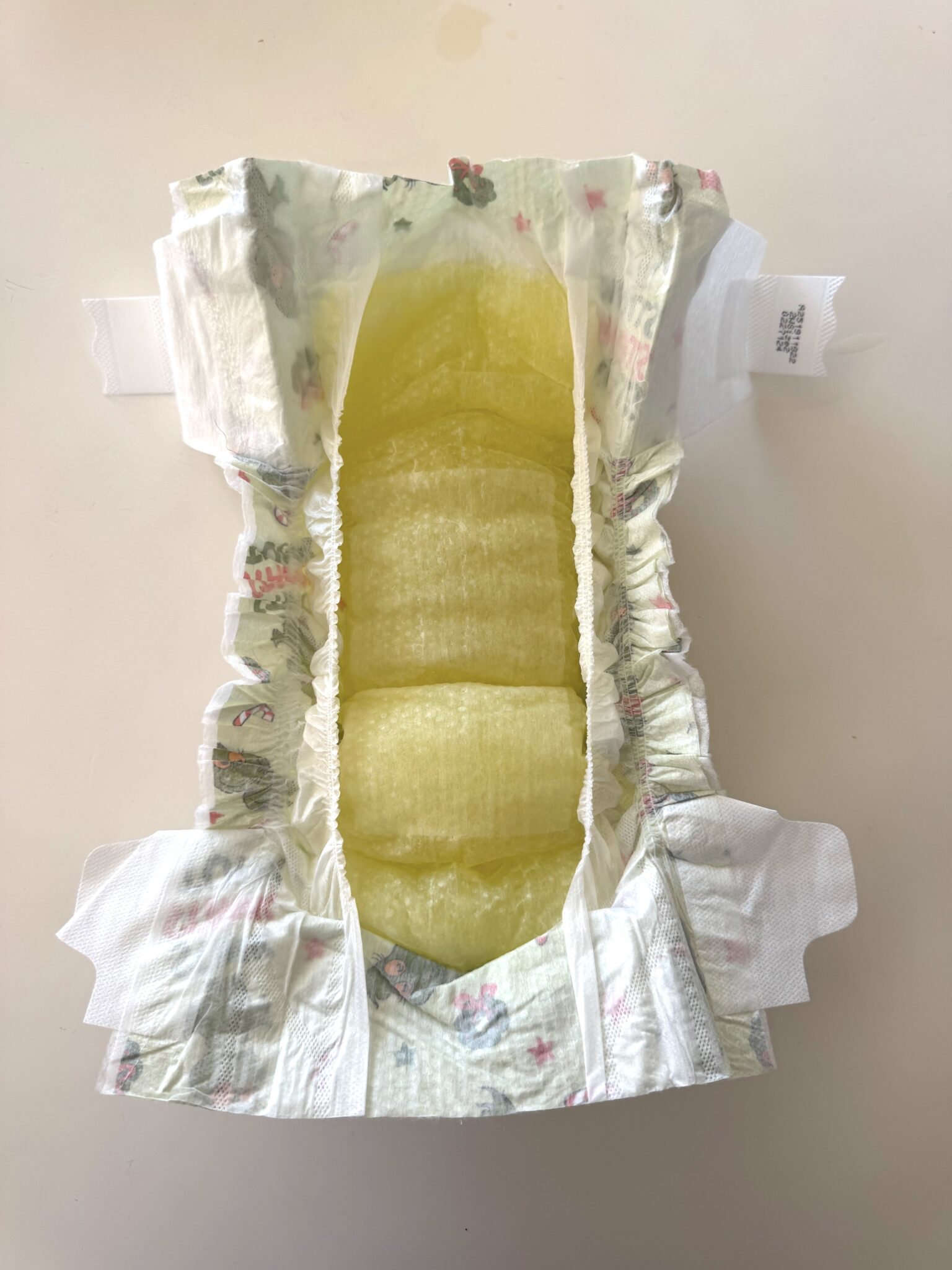
Absorption level | Light to medium (leaked after 12 oz of liquid)
Size range | Newborn (<10 lbs) to size 6 (35+ lbs)
Starting at | $0.35+ per diaper (prices vary by subscription plan, size, and number of diapers in monthly box)
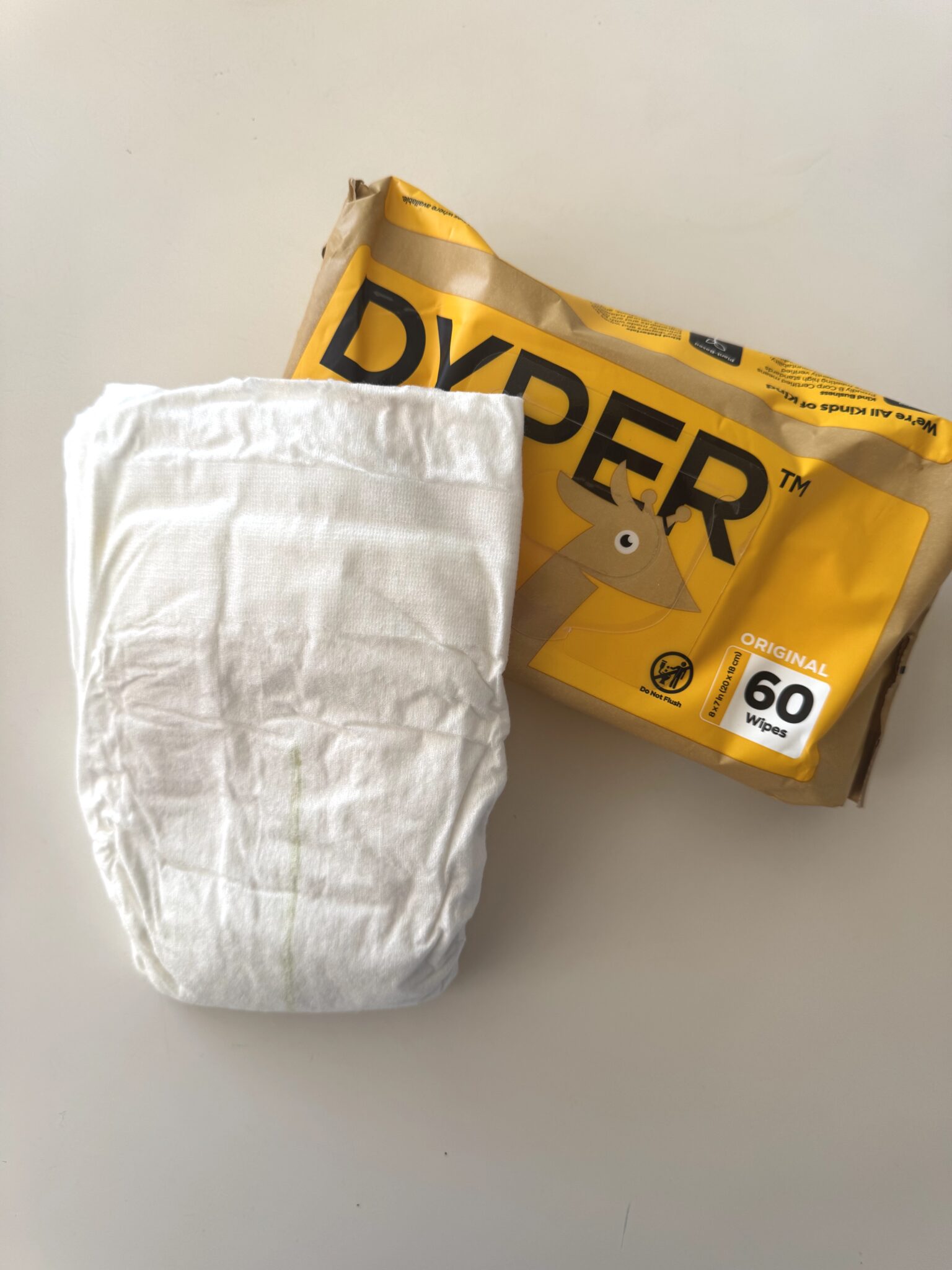
DYPER is the brand I reach for when I want my diapering choices to align more closely with my environmental values — without totally sacrificing performance. In many ways, it feels like a Coterie dupe, and I mean that as a compliment. They share the same clean, minimalist aesthetic and reliable construction, but with a stronger emphasis on sustainability. DYPER diapers are notably thinner and less soft, but they are made with responsibly sourced, plant-based materials, including bamboo and FSC-certified wood pulp, and are free of chlorine processing, fragrances, and other common irritants. They’re also independently tested and OEKO-TEX® Standard 100 certified, with Dermatest certification and a five-star rating for skin compatibility after long-term contact testing.
What really makes DYPER stand out to me is the REDYPER program, because it tackles the part of diapering most brands don’t deal with: where diapers end up once you’re done with them. With DYPER, you can send used diapers back in special bags to industrial composting facilities that are equipped to handle materials that home compost bins can’t. It’s not a perfect system, but it’s a tangible step in the right direction, which I appreciate.
As for my experience using DYPER with my daughter, they perform just fine. I wouldn’t rave to a friend about the performance (though I would share the composting aspect), but they work and are non-toxic, which is what matters. It’s worth noting that in our liquid test, leakage started after about 12 oz of water, so they’re not the most absorbent option in this roundup. That said, they’ve worked well during the day and for regular changes.
Conclusion | DYPER stands out as the most impressive brand on this list for sustainability (learn more about the REDYPER program and composting efforts here). While they don’t perform quite as strongly as some of the other diapers here, they’re still a solid option — especially for parents who want their diapering choices to reflect their environmental values.
6. Honest Baby
Certifications | OEKO-TEX® STANDARD 100, hypoallergenic, dermatologically tested
Diaper materials | Sodium polyacrylate, wood pulp sourced from sustainable forests, polypropylene & polyethylene film and non-woven materials, elastics
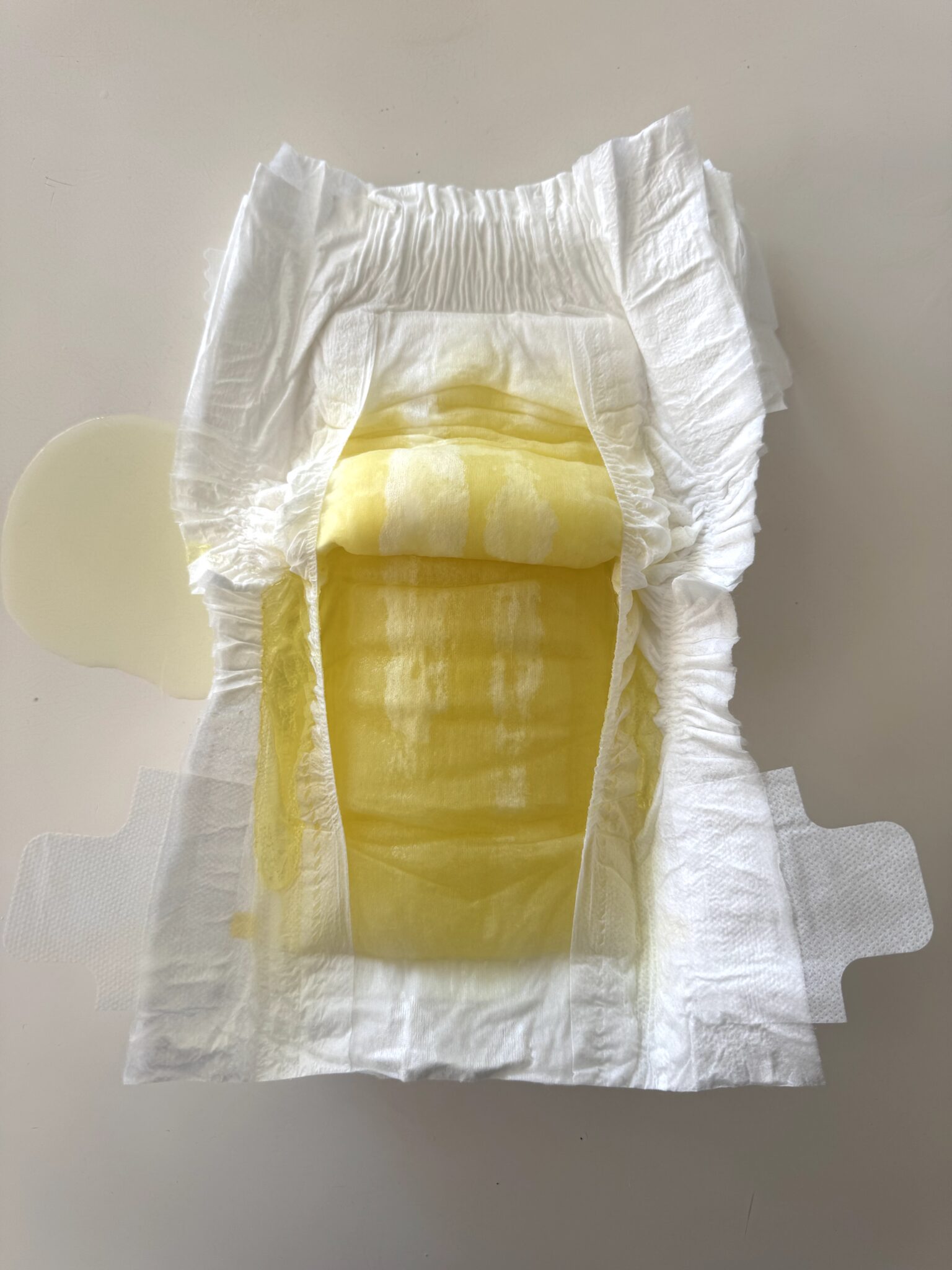
Absorption level | Light to medium (leaked after 8 oz of liquid)
Size range | Newborn (<10 lbs) to Size 7 (41+ lbs)
Starting at | $.035+ per diaper
I really, really, really wanted to love Honest. Before becoming a parent, it was one of those brands I saw everywhere, and I love how accessible it is — you can find Honest diapers at most box stores, and they’re part of a larger lineup of baby products I genuinely use and enjoy (I recently bought their baby soap and lotion for travel). So I came into this with high hopes.
Honest diapers are designed with gentler everyday materials compared with many mainstream options, and the brand avoids chlorine processing, fragrances, lotions, parabens, phthalates, and latex. But the diapers themselves have been a miss for me on too many days to rank higher on this list. While the prints are undeniably cute and the materials are thoughtfully chosen, Honest is the only brand I’ve experienced a blowout with, and in our leak test, they started leaking after just 8 oz of liquid. That said, Honest is a good backup brand and one I’ll absolutely reach for if I need to buy diapers from a box store in a pinch. The accessibility, non-toxic materials, and the brand’s range of other baby essentials are all big positives for me.
Conclusion | Honest is a brand I trust and reach for when convenience matters, but for us, the diapers are a bit too prone to leakage and work best as a reliable backup rather than a daily, do-it-all diaper.
7. Huggies
Certifications | Hypoallergenic, dermatologist tested
Diaper materials | Sodium polyacrylate and wood pulp, elastic-free
Absorption level | Heavy (20 oz of liquid with no leaks)
Size range | Newborn (<10 lbs) to Size 6 (35+ lbs)
Starting at | $0.25+ per diaper (varies widely by retailer, pack count, and sales)
Huggies has been a household name for decades, and while the brand doesn’t market itself as eco-luxury, it has evolved alongside modern safety expectations. When I told my brother-in-law we’d registered for Coterie, he laughed and said, “Oh, we use a luxury brand too. Hoo-geys.” It took me a second to realize he meant Huggies, and honestly… fair.
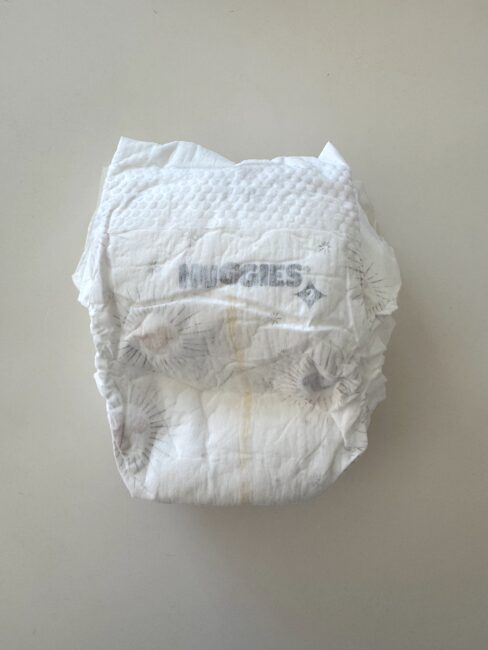
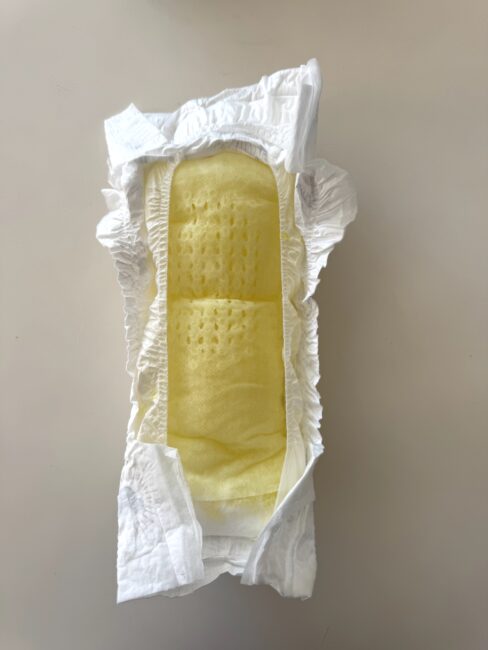
The Skin Essentials diapers are hypoallergenic and free of fragrances, lotions, latex, parabens, elemental chlorine bleaching, petrolatum, and lanolin. They go through extensive safety and quality testing, and in our absorbency test, they handled 20 oz of liquid like it was nothing. While Huggies may not lead with sustainability or premium materials, when it comes to straightforward reliability at an accessible price point, the brand absolutely earns its place. They are also a founding sponsor of the National Diaper Bank Network and donate millions of diapers each year to support families across the U.S.
Conclusion | Huggies Skin Essentials is a dependable, widely accessible diaper that delivers strong absorbency and affordability — and plays a meaningful role in supporting families who need it most.

No Comments
Leave Comment